335 Govan Road, Glasgow, Scotland G51 2SE
Looking for the best solution for missing teeth in Glasgow? Book a free consultation with the Scottish Centre for Excellence in Dentistry's Treatment Coordinator and discover the benefits of dental implants in Glasgow today.
At The Scottish Centre for Excellence in Dentistry in Glasgow our leading dental implant expert, Dr. Abid Faqir, has fitted over 5,000 dental implants throughout a rich career in implant dentistry. With a special interest in single dental implants and multiple dental implants as well as same day teeth and implant secured dentures there’s no one better to trust with your dental implant treatment than Dr. Abid.
Working alongside our friendly nursing and practice team in Glasgow, Dr. Abid always take the extra time to care, ensuring every patient feels comfortable and in control throughout their dental implant Glasgow treatment.
Our state-of-the-art dental implant suite has been specially designed with our patients in mind. Our top priority is not only ensuring your comfort, but guaranteeing every patient leaves their dental implant treatment in Glasgow with the new, healthy smile they have been hoping for.
Dental implants are made of titanium and replace the root of your missing tooth. Following placement of the dental implant the surrounding bone will gradually integrate with it, holding the dental implant firmly in place. A crown or bridge matching the colour and shape of your existing teeth is then fitted to the top of the dental implant(s).
Single dental implants are used to replace a single tooth. Where numerous teeth are missing or damaged, multiple dental implants can be used to replace multiple teeth or even same day teeth to replace a full arch.
Our dental implant experts in Glasgow understand that dental implant treatment can be daunting. That’s why we always take the extra time to talk through your dental implant treatment, discuss all of your dental implant options, and ensure you feel in control throughout your dental implant treatment in Glasgow. Learn more the types of dental implants we offer in Glasgow below.
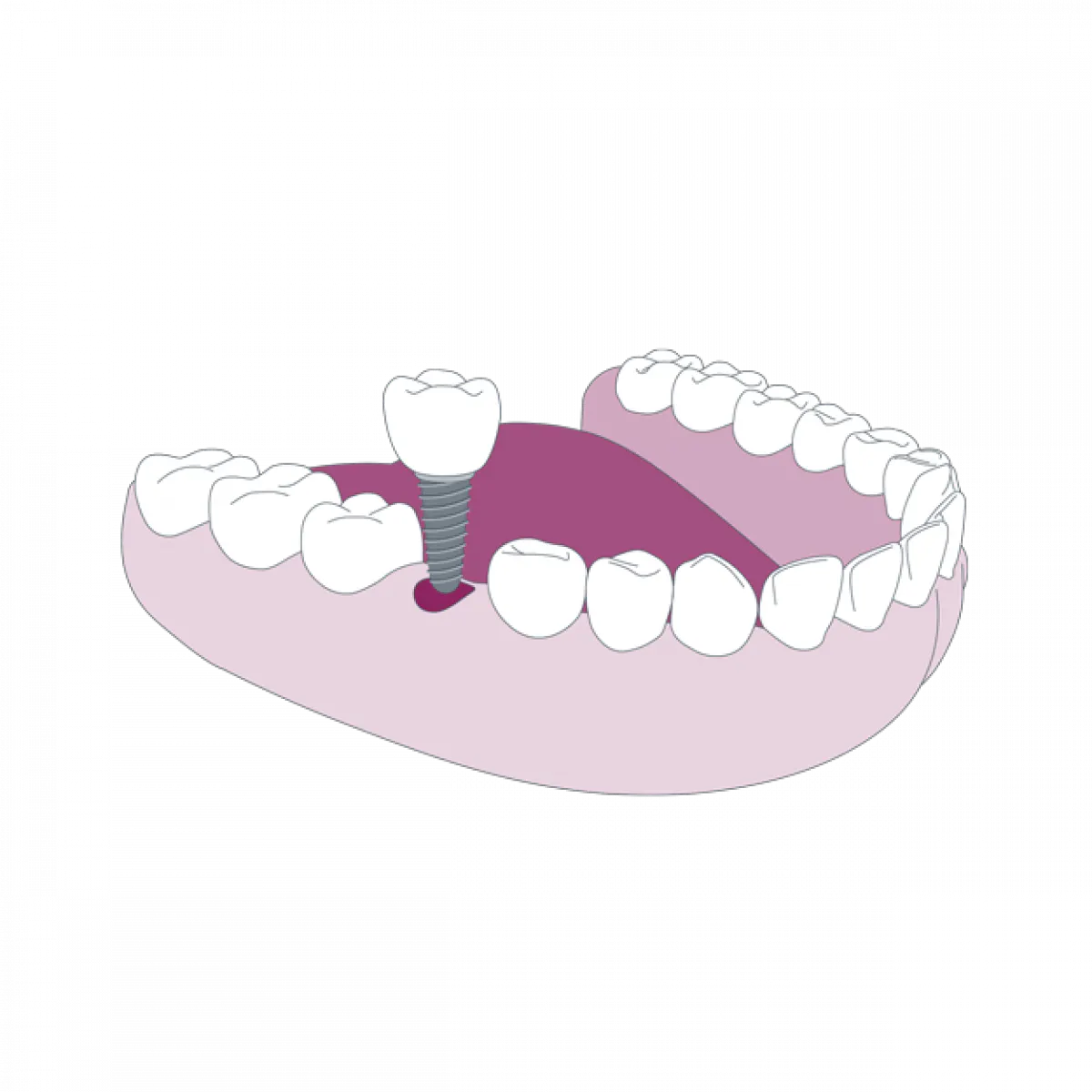
What are Single Dental Implants?
A single dental implant in Glasgow is a great solution if you only need to replace one tooth. Single dental implants won’t affect your neighbouring teeth, allowing you to eat, smile, and laugh with confidence.
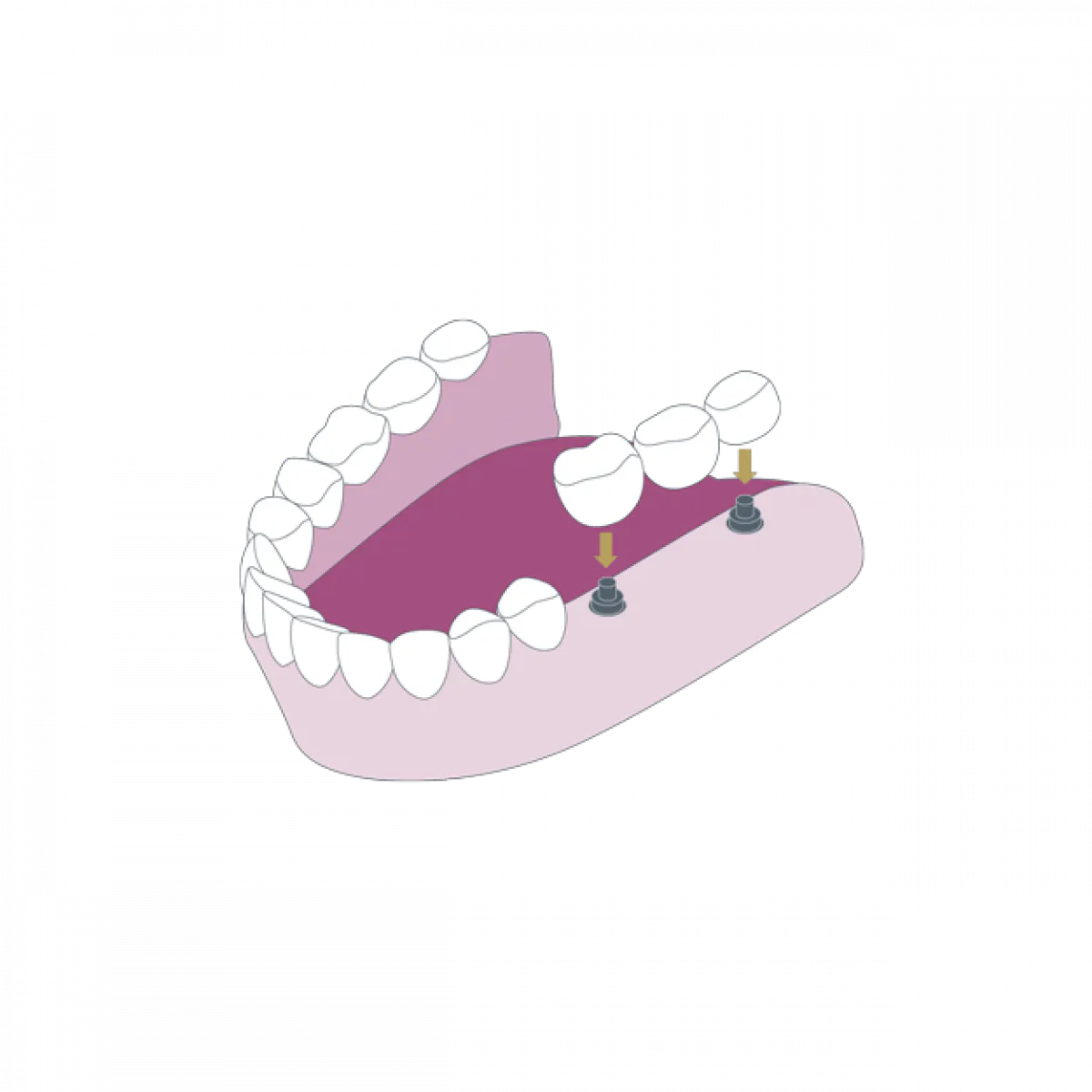
What are Multiple Dental Implants?
If you have numerous missing teeth, you might not need a single dental implant to replace each tooth. Instead, our dentists in Glasgow can place dental implants either side of the gap, and fit a bridge to fill the space.
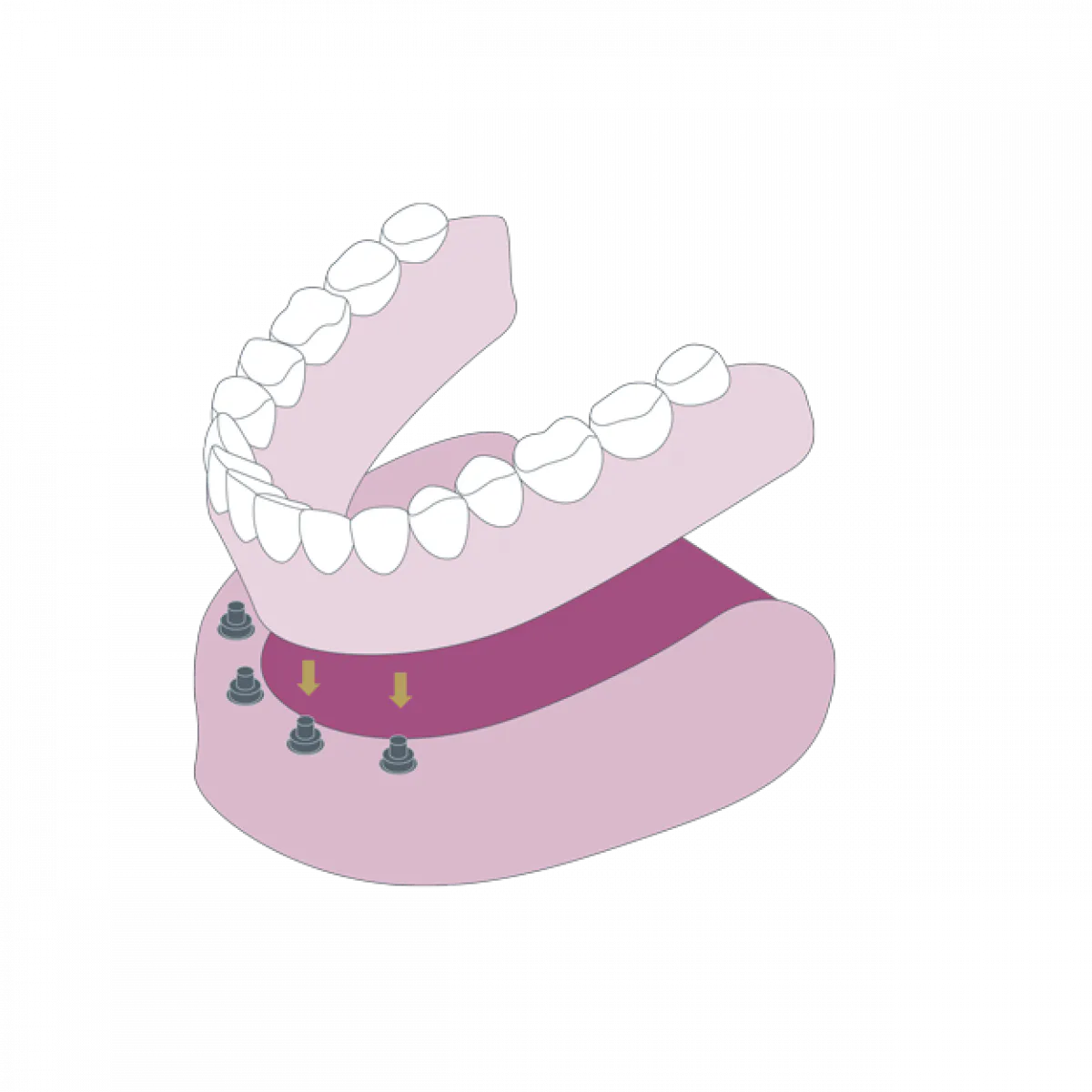
What are Implant Secured Dentures?
If you have been struggling with loose or poorly fitting dentures, implant secured dentures in Glasgow can help. Your dentures will clip onto your dental implants, holding them firmly in place while still being conveniently removable.
What are Same Day Teeth?
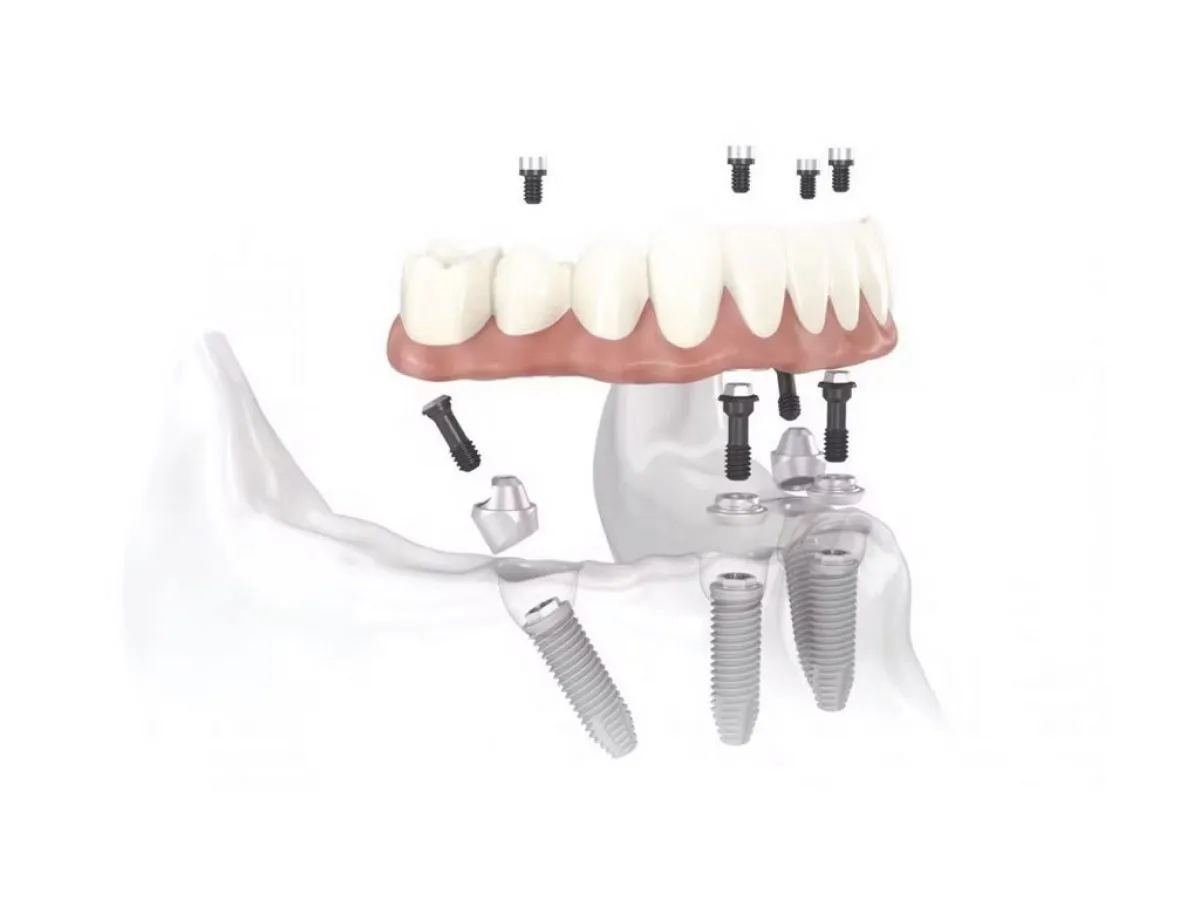
If all your teeth are missing or failing, you may worry dental implant treatment will leave you with no teeth at all for a certain amount of time. Thankfully, our expert implant dentists at The Scottish Centre for Excellence in Dentistry are able to perform Same Day Teeth in Glasgow (sometimes known as All-On-4 Glasgow) to replace all your remaining teeth with dental implants in just one day.
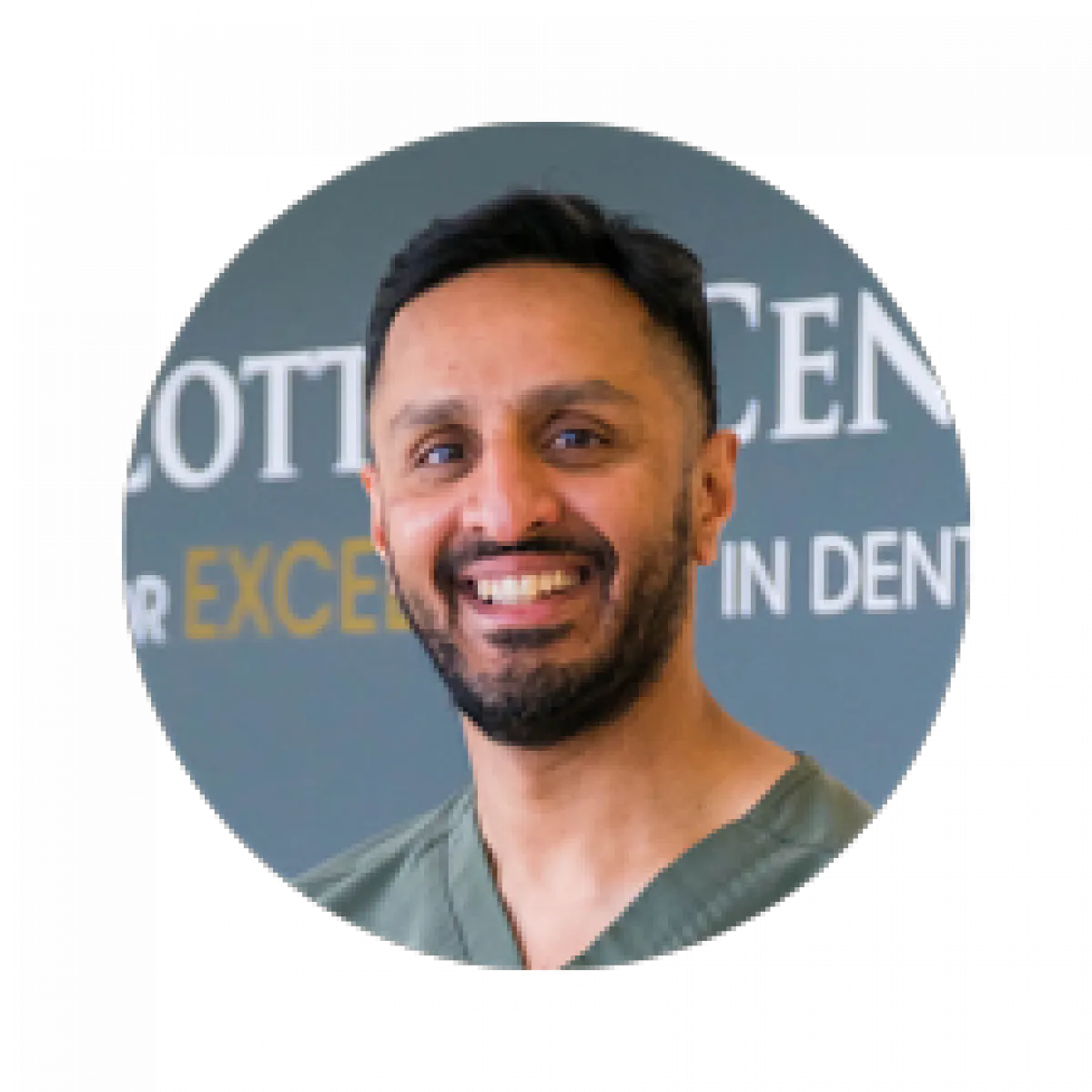
Dr. Abid Faqir
BBDS (Glas, 1999) | MFDS RCS (Edin, 2002) | MSc MedSci(Glas, 2003) | Dip Imp Dent (RCS Edin, 2011)
GDC: 75815
Dr. Abid Graduate of the Glasgow Dental School. Membership of the faculty of dental surgery in Edinburgh, Scotland. Masters degree at Glasgow University, Scotland. Diploma in Implant dentistry from Edinburgh Royal college.
Abid limits his practice to implants and the management of complex restorative cases with a special focus on immediate loading - having placed in excess of 5,000 implants.
He utilises digital dentistry, implants and smile design for the management of complex restorative cases. He is the immediate past president of the Association of Dental Implantology (ADI). Abid currently is a board member of the Glasgow children’s charity, and in the past has sat on the board of the Riverside museum appeal.
The Scottish Centre for Excellence in Dentistry is a Glasgow based practice of Consultants, Specialists, and Dentists with a special interest in Restorative Dentistry & Implantology.
We see patients from all across Scotland including Glasgow, Edinburgh, Kilmarnock, Stirling, Ayr, Perth, Dundee, Aberdeen, Inverness, and the borders. Many of our patients travel from further afield too.
If you think now is the right time to explore how dental implants can transform your smile, contact our friendly team today to book a free consultation with our treatment coordinator.
Each year patients of all ages, genders, and backgrounds receive life-changing dental implant treatment in Glasgow. If you’re struggling with missing or failing teeth, dental implants could be the permanent solution for you.
You’ll usually be given a local anaesthetic (and a sedative if you choose) so you feel more comfortable during your treatment. Most of our patients recover quickly, but you might experience some discomfort and swelling for several days. Don’t worry, we will provide you with aftercare and if you are worried about anything you can contact us for reassurance and advice.
Just like natural teeth, dental implants can be damaged by trauma and affected by gum disease and poor dental health. However, if you look after them - they can last for many years.
The cost of dental implants at Scottish Centre for Excellence in Dentistry will vary depending on your dental needs. We offer affordable payment plans with 0% finance (subject to credit checks) to help you spread the cost of your new smile.
We don’t recommend having dental implants in other countries. If you have any problems later on, it can more difficult to get these sorted as you will have to travel back to where you had your treatment (multiple visits are often needed). Also, as there are different implant systems, some may not be compatible with the availability of implant components in other countries.
Yes! Get in touch with our friendly team in Glasgow to book your free dental implant consultation with our treatment coordinator.
Portman Dental Care Awards